+91 91524 45255

Pi-Sat

Pi-Sat transforms satellite cybersecurity learning from software-only experimentation into real hardware interaction using Raspberry Pi and OpenSatKit flight software.

Pi-Sat Satellite Security

1. Why Software-Only Learning Hits a Wall

So far, two important things should already be clear.

First, satellites are security-critical systems.
Second, flight software is where control actually lives.

OpenSatKit does a great job of showing how satellite software is structured and how commands move through the system. But there's still a missing piece.

In cybersecurity, there's a massive difference between watching logs scroll by and watching real hardware react.

Satellites aren't just software systems. They're cyber-physical systems. Commands don't just change variables, they turn things on, shut things off, and sometimes destroy hardware.

If you never see software cause a physical effect, the risk stays abstract.

That's the gap Pi-Sat fills.
2. What Pi-Sat Actually Is

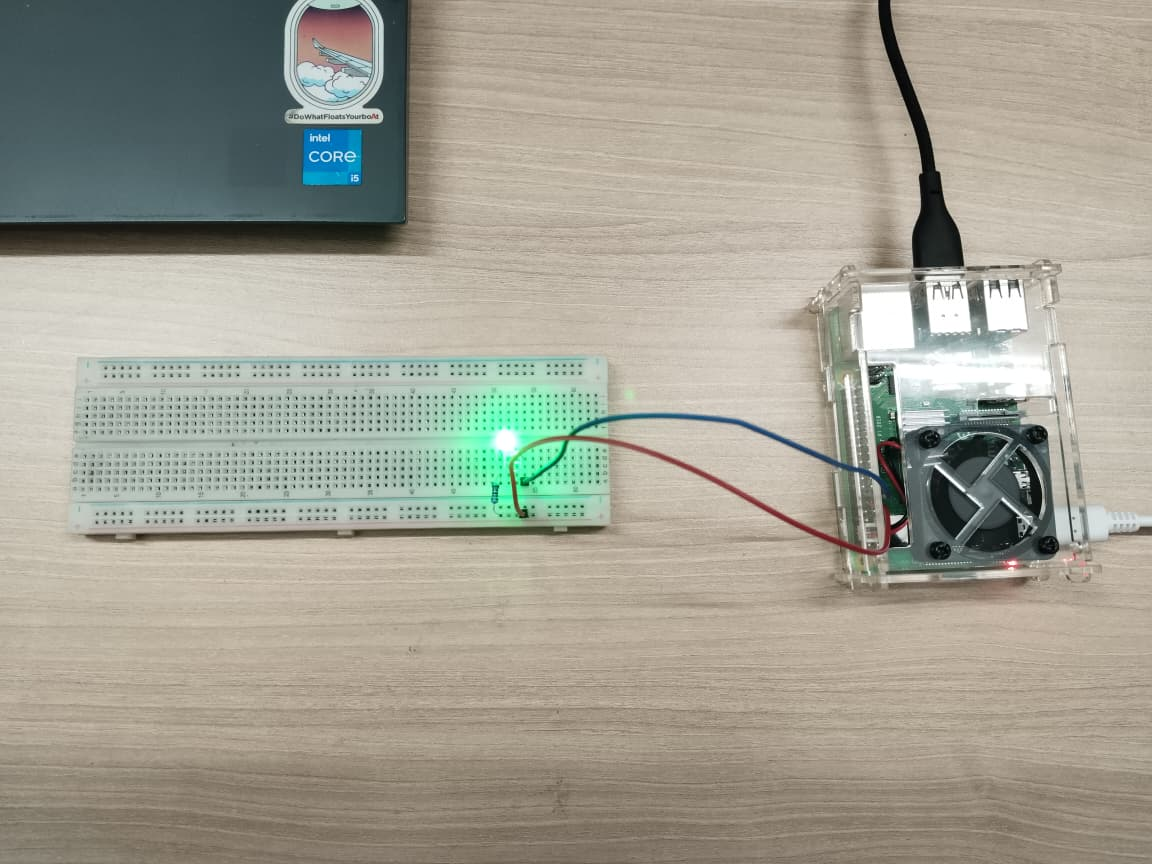
Pi-Sat is a satellite-like system built using:

  1. A Raspberry Pi
  2. OpenSatKit flight software
  3. A ground control interface
  4. Real hardware inputs and outputs via GPIO
Pi-Sat Satellite Security

In plain terms:

Pi-Sat runs real satellite flight software on real hardware and lets you control it remotely.

There's no orbit involved. No rocket. No space.

But the control model is the same: commands come from a "ground system," pass through software layers, and end up driving hardware.

That's the part that matters.

3. How Pi-Sat Goes Beyond OpenSatKit

Real Networking

Commands are sent over a network from a separate system acting as ground control. This introduces packet loss, delays, misconfiguration, and trust assumptions.

Real Hardware Control

Instead of simulated subsystems, Pi-Sat drives GPIO pins controlling LEDs, relays, and sensors. The hardware changes, but the control logic stays the same.

Real Consequences

When something breaks, it doesn’t just log an error. The system may crash, fail silently, or not respond. These failure modes mirror real missions.

4. The Ground-to-Satellite Command Path

This is the most important idea Pi-Sat teaches.

A single command flows through multiple layers:

Ground system
    ↓
Network (Wi-Fi)
    ↓
Pi-Sat control process
    ↓
Flight software (OSK / cFS)
    ↓
Application logic
    ↓
GPIO hardware

Every step is a trust boundary.

Data enters the system. It gets parsed. It gets routed. Decisions get made about authority and validity. Eventually, hardware responds.

Pi-Sat lets you observe that entire chain end-to-end, instead of pretending it's someone else's problem.

That's where real security analysis starts.

5. Why Blinking an LED Actually Matters

This is where beginners often miss the point.

They look at the demo and think:
"Okay… an LED blinks. So what?"

The LED is not the lesson.

The lesson is this:

A remote command crossed multiple software layers and directly controlled hardware.

Replace the LED in your head with something real: a power switch, a transmitter, a memory write, or a deployment mechanism. The command path stays the same. Only the impact changes.

Pi-Sat makes it painfully clear that software bugs aren't just bugs. They can become physical actions. And once hardware responds, you don't get infinite retries.

6. How Pi-Sat Changes How You Think About Security

After working with Pi-Sat, something shifts.

You stop thinking like someone following steps and start thinking like someone evaluating a system. Instead of asking how to make things work, you start asking why they should work that way at all.

And that's exactly the point.

Where This Series Leaves You


After these three pieces, you should have solid footing.

You understand:

  1. why satellite cybersecurity matters
  2. how flight software is structured
  3. how OpenSatKit models real systems
  4. how Pi-Sat turns software decisions into physical reality

No exploits yet.
No hacking yet.

Just foundations that don't collapse the moment things get real.

And now, finally, things are real.

Interested in Satellite Security Research?

Contact Amynasec for advanced space systems security assessments and training.

GET ASSESSMENT